iPhone Duo: Apple's First Foldable iPhone Explained
Segun Olayemo
24 September 2026 · 10 views
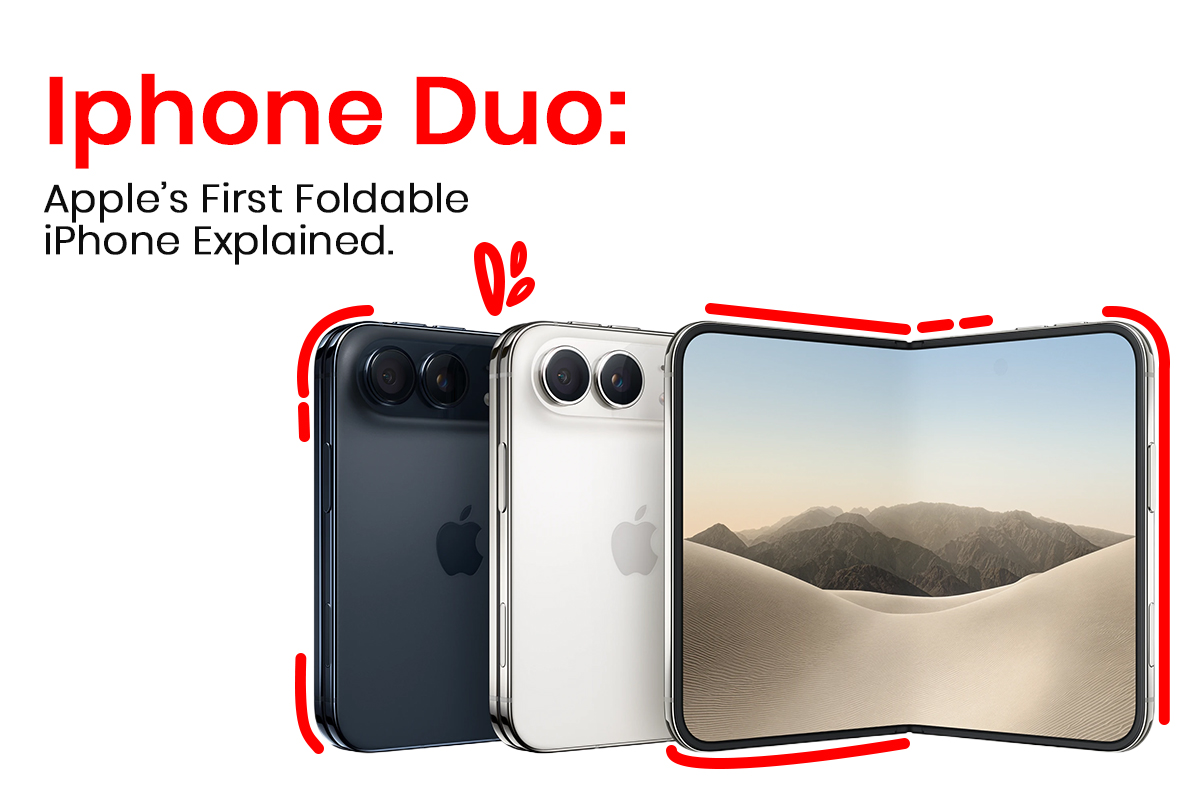
Apple has entered the foldable market. The iPhone Duo pairs a 7.6-inch inner folding display with a 5.4-inch outer screen, runs the A20 Pro chip, and uses a dual-battery system split across both halves. Pre-orders open at 5:00 a.m. PT on October 16, 2026, with general sale following on October 23, 2026.
This is a first-generation product, which shapes both what impresses and where buyers may want to wait.
Key Specs at a Glance
-
Inner display: 7.6-inch Super Retina XDR folding display, nano-texture finish
-
Outer display: 5.4 inches, same aspect ratio as the inner screen
-
Brightness: 3000 nits peak, ProMotion up to 120Hz
-
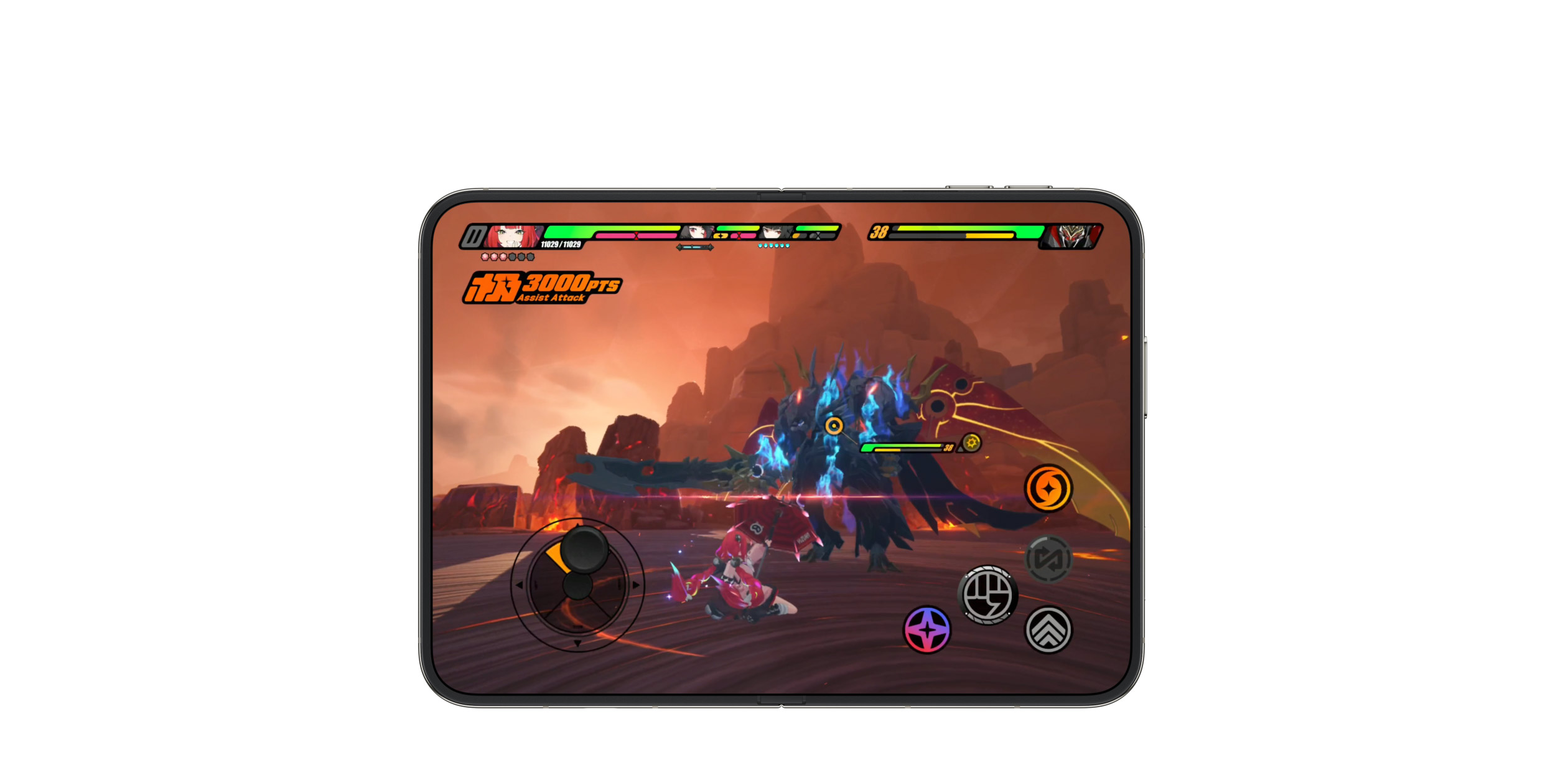
Chip: A20 Pro with Dual 16-core Neural Engine, 7-core GPU, vapor chamber cooling
-
Battery: Dual-battery system, up to 31 hours video playback inner, 44 hours outer
-
Cameras: 48MP Dual Fusion system, 12MP Center Stage front camera
-
Biometrics: Touch ID in the side button
-
Build: Grade 5 titanium frame, Ceramic Shield front and back, IP68
-
Storage: 256GB, 512GB, 1TB, 2TB
-
Colors: Night Sky, Star White
-
Release: Pre-orders October 16, 2026; on sale October 23, 2026
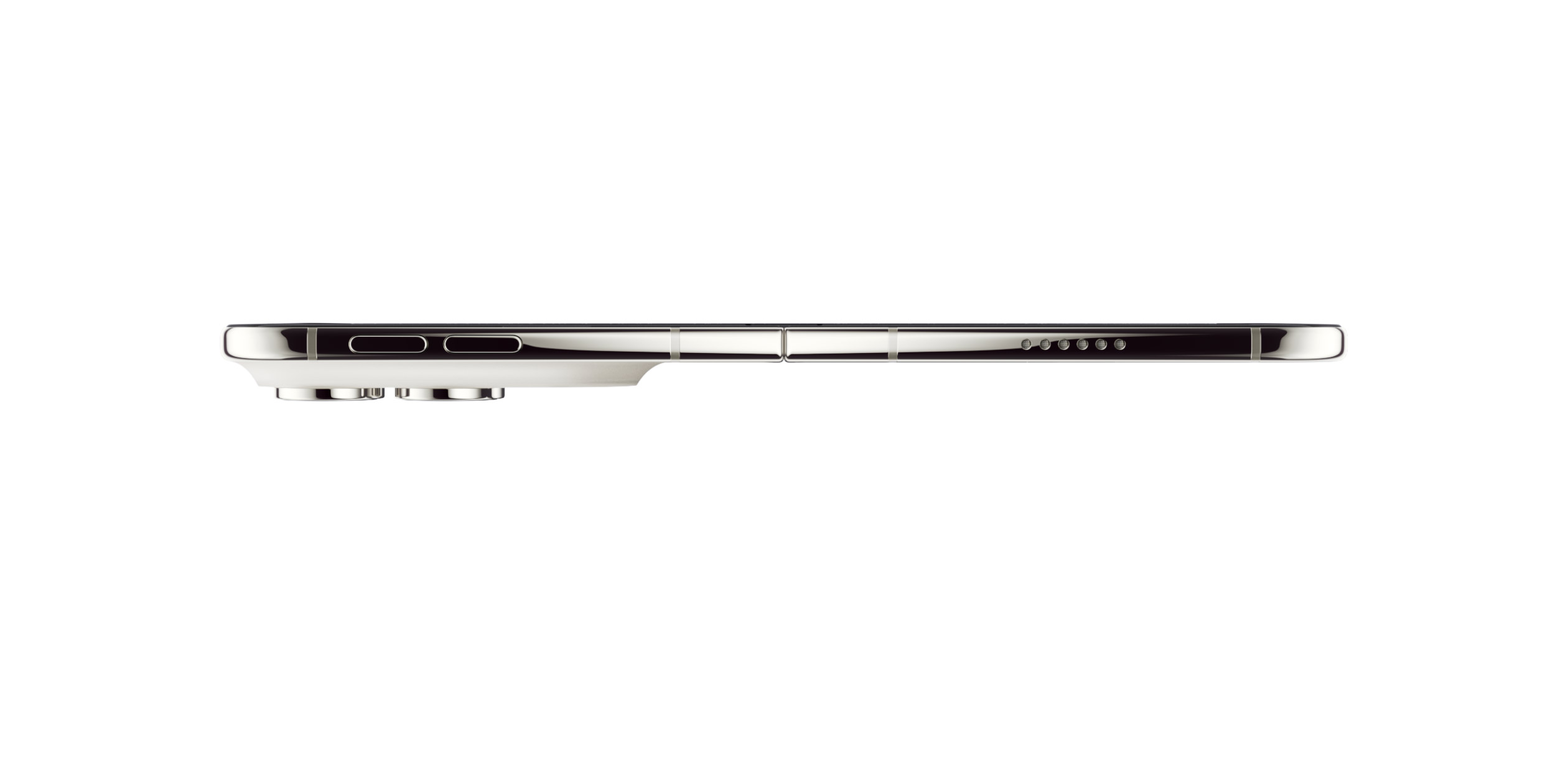
The Displays Are the Point
The inner folding screen measures 7.6 inches and uses a Super Retina XDR panel with a nano-texture finish, a treatment that scatters reflections to cut glare. Apple says it is 50% larger than the iPhone 18 Pro Max screen.
What matters more day to day is that both screens share the same aspect ratio. On many foldables, apps reflow awkwardly when you open or close the device because the proportions differ. Matching them means content carries over cleanly.
Both panels are wide-angle OLEDs reaching 3000 nits peak, with ProMotion up to 120Hz. The inner display uses 10 ultrathin layers and houses an under-display FaceTime camera, so nothing interrupts the screen when unfolded.
Design and Durability
Grade 5 titanium is used for both the frame and the hinge cover. Titanium is lighter than stainless steel at comparable strength, which matters on a device carrying two displays and two batteries.
Ceramic Shield covers the front and back, and the inner display carries a scratch-resistant coating. The IP68 rating for dust and water resistance is notable given the difficulty of sealing a hinge. Two colors launch: Night Sky and Star White.
Cameras
The camera system is a 48MP Dual Fusion setup combining a 48MP Fusion Main and a 48MP Fusion Ultra Wide. The front-facing camera is 12MP with Center Stage, which keeps subjects framed as they move.
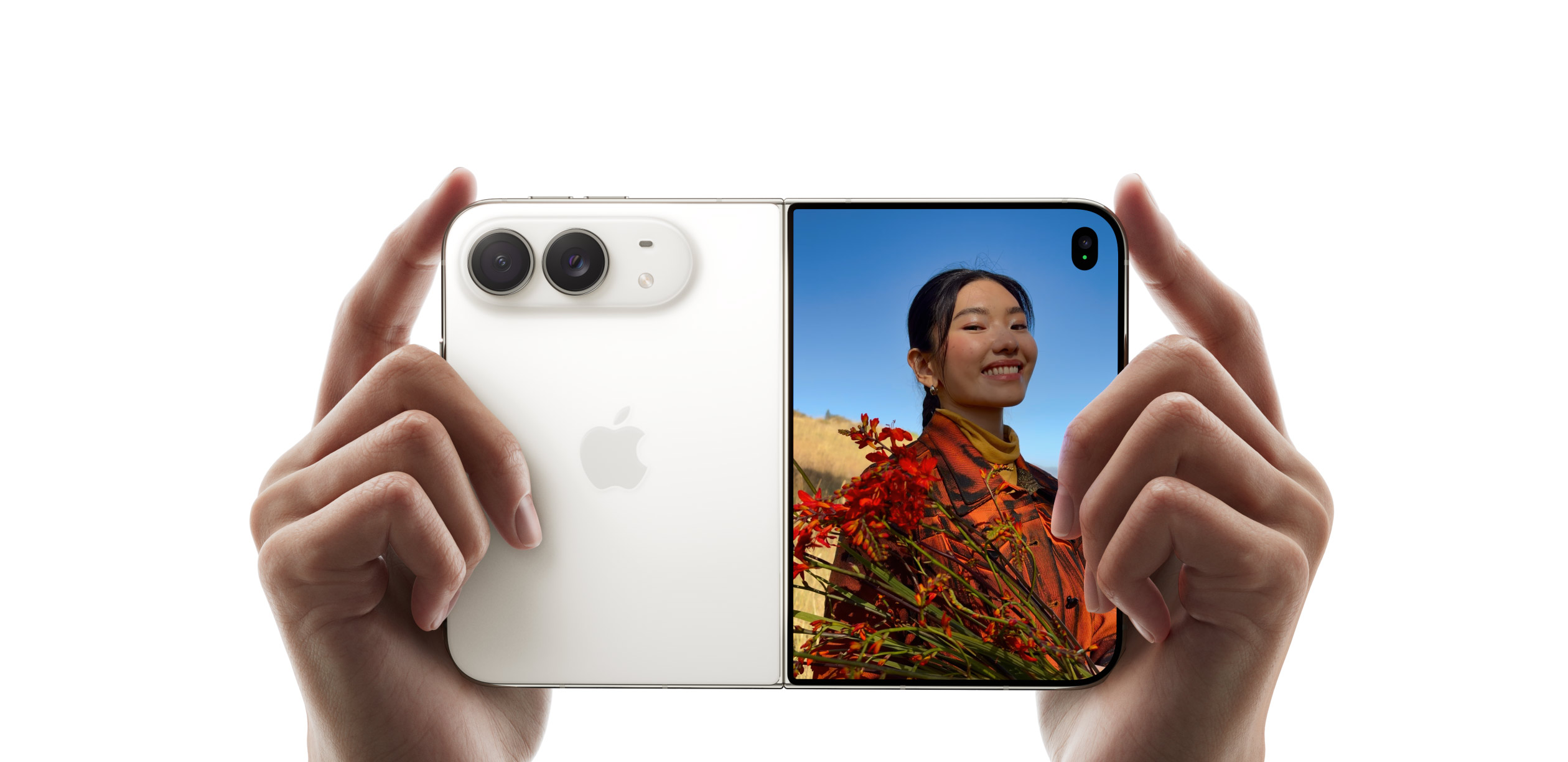
Capabilities include:
-
48MP photos
-
4K video at 120fps
-
4K time-lapse
-
Cinematic mode
-
Photographic Styles 3
-
2x optical-quality zoom
That last point needs a plain explanation. There is no dedicated telephoto lens. The 2x zoom crops into the 48MP sensor, which holds detail well at 2x but does not match true optical reach. If you often shoot at 3x or beyond, this is a real limitation.
Apple lists four camera features exclusive to this model: Smart Take, Duo Preview, Kid Cue, and Duo FaceTime. These build on having two screens and a hinge that holds position, which opens up shooting angles a slab phone cannot manage.
A20 Pro Chip and Performance
The A20 Pro is the same silicon generation as Apple's current Pro phones. Apple rates the 6-core CPU as up to 20% faster than the A19 Pro, with 50% more memory bandwidth, a 7-core GPU, and a Dual 16-core Neural Engine handling on-device machine learning.
Vapor chamber cooling is included. A vapor chamber is a sealed component that moves heat from the chip using a liquid that evaporates and condenses, helping the phone hold speed during sustained work rather than throttling. On a device driving a large display, that headroom matters more than peak benchmark figures.
iPhone Duo Battery Life and Charging
The dual-battery system splits capacity across both halves of the device. Rated video playback is up to 31 hours on the inner display and up to 44 hours on the outer, reflecting the lower power draw of the smaller screen.
Fast wired charging reaches roughly 50% in about 20 minutes, and MagSafe is supported. The device uses the C2 modem and is eSIM-only, with no physical SIM tray.

Software and Multitasking
Shipping software is iOS 27, including Apple Intelligence and Siri AI, the latter in beta and supporting English at launch.
Split View multitasking uses the larger inner canvas to run two apps side by side, and StandBy turns the device into a glanceable display while charging.
Apple supports five poses: landscape, portrait, closed, seated, and standing. The hinge holds intermediate positions, so the phone stands on its own for video calls or hands-free recording without a tripod. Apple Pencil support over USB-C arrives later this year rather than at launch.
iPhone Duo vs iPhone 18 Pro Max
|
Feature |
iPhone Duo |
iPhone 18 Pro Max |
|
Display |
7.6" inner folding, 5.4" outer |
Single non-folding display |
|
Display size |
50% larger than 18 Pro Max (inner) |
Baseline |
|
Peak brightness |
3000 nits |
Not specified here |
|
Battery |
Up to 31 hrs inner, 44 hrs outer |
Up to 43 hrs video playback |
|
Camera |
48MP Dual Fusion, no telephoto |
48MP Fusion with variable aperture |
|
Zoom |
2x optical-quality (sensor crop) |
Variable aperture system |
|
Chip |
A20 Pro |
A20 Pro |
|
Biometrics |
Touch ID (side button) |
Face ID |
|
SIM |
eSIM only |
Varies by region |
|
Storage |
256GB to 2TB |
256GB to 2TB |
Both phones run the same chip and offer the same storage range. The decision comes down to form factor, biometrics, and camera priorities rather than raw performance.
Where Buyers Might Hesitate
Four points about the iPhone Duo deserve honest attention.
It is a first-generation foldable. Apple has a strong record of refining products across generations. Early adopters of any folding device take on hinge and display longevity questions that only time answers.
There is no Face ID. Authentication moves to Touch ID in the side button, a practical consequence of the folding design. Anyone used to Face ID on recent iPhones will notice, particularly when the phone is resting on a desk.
No telephoto lens. The 2x zoom is a sensor crop rather than dedicated optics. Fine for most shooting, a step back for anyone who leans on longer reach.
eSIM only. There is no physical SIM tray. In markets where eSIM support is limited, or for travelers relying on local physical SIMs, carrier compatibility needs checking first.
How It Compares to Android Foldables
Android manufacturers have shipped book-style foldables for several years, so Apple arrives at an established category rather than creating one.
The iPhone Duo's standout advantages are the matching aspect ratios, the IP68 rating, and iOS integration. Android rivals keep the edge in maturity, with several generations of hinge refinement behind them, and some include dedicated telephoto cameras.
For existing iPhone owners, ecosystem continuity is likely the deciding factor. For Android foldable owners weighing a switch, the honest question is whether a first-generation hinge is a step forward from a device on its fourth or fifth iteration.
Release Date and Availability
Pre-orders open at 5:00 a.m. PT on October 16, 2026, with general availability from October 23, 2026. Connectivity covers Wi-Fi 7, Bluetooth 6, 5G, and satellite support for Messages and Emergency SOS. Apple lists 35% recycled content and 100% fiber-based packaging.
Conclusion
The iPhone Duo is a credible first foldable. Matching aspect ratios, an IP68 rating and titanium construction suggest Apple took its time rather than rushing, and the A20 Pro with vapor chamber cooling supplies the headroom a large display demands.
The reservations are equally clear. This is a first-generation device without Face ID or a telephoto lens, and the eSIM-only design will not suit everyone. Buyers who want a bigger canvas and are comfortable being early will find plenty here. Those who depend on long-range zoom, or who prefer to let a new form factor mature, have good reason to wait.
Frequently Asked Questions
When is the iPhone Duo release date?
Pre-orders open at 5:00 a.m. PT on October 16, 2026, and it goes on sale October 23, 2026.
Does it have a visible crease?
Apple has not published crease specifications. The inner display uses 10 ultrathin layers with a scratch-resistant coating and a nano-texture finish. Independent hands-on testing after release will give a clearer picture of how the fold area behaves over time.
Does it use Face ID or Touch ID?
Touch ID, built into the side button. There is no Face ID, a change from recent iPhone Pro models.
How durable is it?
Grade 5 titanium frame and hinge cover, Ceramic Shield front and back, and a scratch-resistant coating on the inner display. The IP68 rating for dust and water resistance is uncommon for a folding phone.
What storage options are available?
Four: 256GB, 512GB, 1TB and 2TB.
Does it support Apple Pencil?
Apple Pencil support over USB-C is listed as arriving later this year rather than at launch.
How is the iPhone Duo different from other foldable phones?
The main differences are matching aspect ratios on both displays, so apps carry over without reflowing, an IP68 rating, and iOS 27 integration. Unlike several Android foldables, there is no dedicated telephoto lens.
Segun Olayemo
Related Articles
 Iphone
iPhone Price List Nigeria (Updated April 2026): Current Prices & Where to Buy
iPhone pricing in Nigeria differs significantly from Apple's US or international MSRP due to multiple factors: import duties (20-35% depending on classification), shipping and logistics costs, distributor margins, retailer markups, exchange rate premiums, and VAT.
 Iphone⭐ Featured
iPhone 18 Pro and iPhone 18 Pro Max: Everything New in Apple's 2026 Flagships
Apple's iPhone 18 Pro brings the first variable aperture camera on an iPhone, a 2nm A20 Pro chip, and up to 43 hours of video playback on the Pro Max. Here's what the specs mean in daily use, what it costs, and the honest answer on whether iPhone 17 Pro owners should bother upgrading.